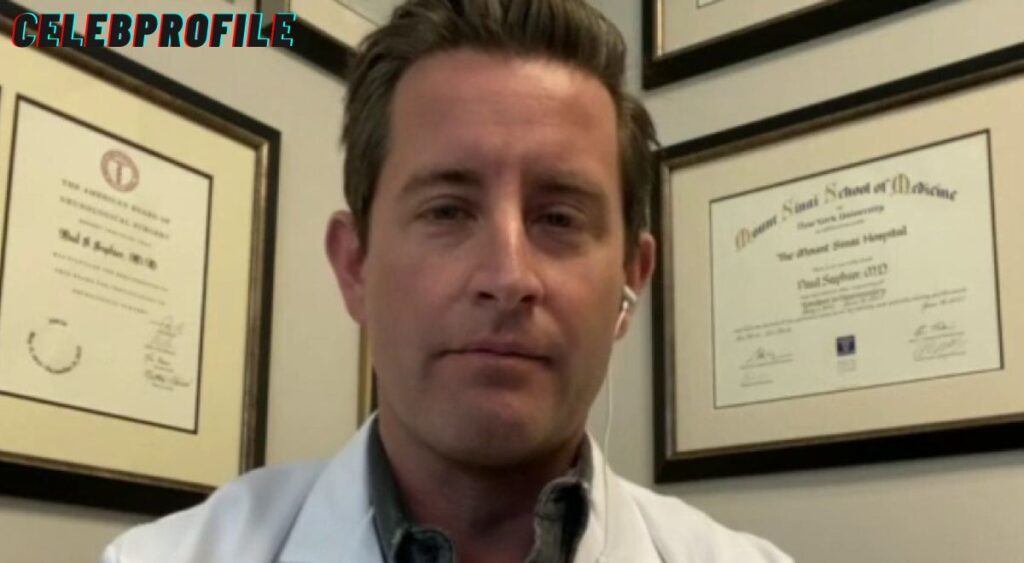
Paul Saphier is a board-certified neurosurgeon and internationally recognized cerebrovascular specialist known for his pioneering work in stroke and aneurysm treatment. Fellowship-trained in endovascular neurosurgery, he has built a reputation for combining advanced medical technology with patient-focused care. Throughout his career, he has led important clinical research initiatives, including global trials aimed at improving treatment options for hemorrhagic stroke patients. In addition to his clinical practice, he is a published author, researcher, and frequent lecturer on innovative neurosurgical procedures. Widely respected for his expertise in cerebrovascular care, stroke treatment, endovascular neurosurgery, clinical research, and medical innovation, Dr. Saphier continues to influence the future of neurological healthcare worldwide.
Early Life and Background
From a young age, Dr. Paul Saphier demonstrated a strong interest in science, medicine, and analytical thinking. His curiosity about how the human body functions, particularly the complexity of the brain and nervous system, inspired him to pursue a career in healthcare.
As he progressed through his education, he developed a passion for helping people facing serious medical conditions. This commitment ultimately led him toward neurosurgery, one of the most challenging and specialized fields in medicine. The discipline requires exceptional technical skill, extensive training, and the ability to make critical decisions under pressure—qualities that would later define his professional career.
Educational Journey
Achieving success in neurosurgery requires years of rigorous academic preparation, and Dr. Saphier followed a demanding educational path to build the knowledge necessary for his future profession.
During his early academic years, he excelled in scientific subjects, particularly those related to biology, anatomy, and medical sciences. His educational experiences provided a strong foundation for understanding neurological disorders and the intricate structure of the human nervous system.
The combination of academic excellence, determination, and a commitment to patient care prepared him for advanced medical training and future specialization.
Medical School Experience
Medical school represented a crucial stage in Dr. Saphier’s development as a physician. During this period, he studied a wide range of medical disciplines while gaining valuable clinical experience through direct patient interactions.
His training exposed him to various specialties, but the complexity of neurological diseases and brain disorders particularly captured his interest. Medical school not only strengthened his scientific knowledge but also reinforced the importance of patient-centered care.
Working alongside experienced physicians allowed him to develop essential diagnostic, communication, and clinical decision-making skills that would later become vital in his neurosurgical practice.
Intensive Neurosurgery Residency

After completing medical school, Dr. Saphier entered a highly competitive neurosurgery residency program. Neurosurgical residency is known as one of the most demanding forms of medical training, requiring years of extensive clinical practice and surgical experience.
Throughout his residency, he gained expertise in treating disorders involving the brain, spinal cord, and nervous system. He learned advanced surgical techniques while managing patients with traumatic injuries, tumors, vascular abnormalities, and neurological emergencies.
The residency years played a critical role in refining his technical abilities and preparing him for independent practice as a neurosurgeon.
Advanced Fellowship Training at UCLA
Seeking additional specialization, Dr. Saphier completed fellowship training in endovascular neurosurgery at University of California, Los Angeles. This advanced training focused on minimally invasive procedures used to treat diseases affecting the blood vessels of the brain.
Endovascular neurosurgery involves navigating specialized catheters through blood vessels to reach abnormalities inside the brain without requiring traditional open surgery. This approach can reduce recovery time, lower risks, and improve outcomes for many patients.
His fellowship training provided advanced expertise in treating cerebrovascular disorders such as aneurysms, arteriovenous malformations, and acute strokes. This specialized education helped establish him as a leading expert in modern neurovascular care.
Building a Career in Neurosurgery
Following the completion of his advanced training, Dr. Saphier began establishing himself as a respected neurosurgeon and cerebrovascular specialist.
His clinical practice focused on helping patients facing some of the most serious neurological conditions. By integrating cutting-edge technologies with evidence-based treatment methods, he developed a reputation for delivering high-quality care.
As medical technology evolved, he remained committed to adopting innovative approaches that could improve patient safety and treatment effectiveness.
Focus on Cerebrovascular Disorders
One of Dr. Saphier’s primary areas of expertise involves the diagnosis and treatment of cerebrovascular diseases. These conditions affect the blood vessels supplying the brain and can lead to life-threatening complications if not treated promptly.
His work includes managing:
- Ischemic stroke
- Hemorrhagic stroke
- Brain aneurysms
- Arteriovenous malformations (AVMs)
- Carotid artery disease
- Intracranial vascular abnormalities
Through both surgical and minimally invasive techniques, he helps patients receive timely treatment designed to minimize neurological damage and maximize recovery potential.
Expertise in Stroke Treatment

Stroke remains one of the leading causes of disability and death worldwide. Dr. Saphier has dedicated a significant portion of his career to improving stroke treatment and patient outcomes.
His expertise includes both ischemic strokes, which occur when blood flow to the brain becomes blocked, and hemorrhagic strokes, which result from bleeding within the brain.
Rapid diagnosis and intervention are critical factors in successful stroke treatment. Dr. Saphier has consistently advocated for advanced treatment strategies that emphasize speed, precision, and personalized care.
His work has contributed to broader efforts aimed at improving emergency stroke management and expanding access to life-saving procedures.
Leadership in Clinical Research
In addition to caring for patients, Dr. Saphier has played an important role in medical research. His involvement in clinical trials reflects his commitment to advancing treatment options and improving standards of care.
Clinical research helps physicians evaluate emerging technologies and develop safer, more effective approaches to treating neurological diseases.
By participating in large-scale studies, Dr. Saphier contributes to the scientific evidence that shapes future medical practices around the world.
The MIND Trial and Innovation in Hemorrhagic Stroke Care
Among Dr. Saphier’s most notable research contributions is his involvement as a principal investigator in the MIND (Minimally Invasive Neuro Evacuation Device) Trial.
The study evaluates innovative techniques designed to remove blood clots from the brain following intracerebral hemorrhage, a severe type of hemorrhagic stroke. The goal is to determine whether minimally invasive procedures can improve survival rates and neurological recovery.
The research represents an important step toward developing safer treatment options for patients experiencing devastating brain hemorrhages. Dr. Saphier’s leadership in this area highlights his commitment to innovation and improving patient outcomes.
Contributions to Medical Literature
Throughout his professional career, Dr. Saphier has contributed to the growing body of neurosurgical and cerebrovascular research.
His publications address topics such as:
- Stroke management
- Neurovascular interventions
- Endovascular procedures
- Cerebrovascular disease treatment
- Advances in neurosurgical technology
These contributions help educate physicians, guide future research efforts, and support the development of improved treatment protocols.
Medical publications play a crucial role in sharing knowledge across the global healthcare community, and Dr. Saphier’s work continues to influence practitioners in the field.
Commitment to Patient-Centered Care

While Dr. Saphier is widely recognized for his technical expertise, his approach to patient care extends beyond surgical skill.
He believes effective treatment requires:
- Clear communication
- Patient education
- Compassionate support
- Individualized treatment planning
- Long-term recovery guidance
By ensuring patients understand their diagnoses and treatment options, he helps them make informed healthcare decisions. This patient-centered philosophy remains a defining characteristic of his professional practice.
Professional Recognition and Influence
Over the years, Dr. Saphier has gained recognition among colleagues and healthcare organizations for his expertise in cerebrovascular neurosurgery.
His experience treating complex neurological disorders and his involvement in clinical research have established him as a respected authority within the neurosurgical community.
He is frequently associated with educational initiatives, professional conferences, and discussions regarding advancements in stroke treatment and neurovascular intervention.
Personal Life
Although Dr. Saphier is well known within the medical community, he generally maintains privacy regarding his personal and family life.
Most publicly available information focuses on his professional achievements, research activities, and contributions to medicine rather than personal matters.
His public profile remains centered on patient care, medical innovation, and educational leadership.
Major Achievements
Dr. Saphier’s career includes numerous accomplishments that reflect decades of dedication to neurological medicine.
Some of his most significant achievements include:
- Board certification in neurosurgery
- Advanced fellowship training in endovascular neurosurgery
- Leadership in cerebrovascular treatment programs
- Participation in international clinical research
- Principal investigator roles in stroke-related trials
- Contributions to neurosurgical literature
- Advancement of minimally invasive treatment techniques
These achievements have helped establish him as a leader in modern neurovascular medicine.
Quick Facts About Dr. Paul Saphier
| Information | Details |
|---|---|
| Full Name | Dr. Paul Saphier |
| Profession | Neurosurgeon and Cerebrovascular Specialist |
| Specialty | Endovascular and Cerebrovascular Neurosurgery |
| Field of Expertise | Stroke Treatment, Brain Aneurysms, Neurovascular Disorders |
| Fellowship Training | Endovascular Neurosurgery at UCLA |
| Board Certification | Neurosurgery |
| Known For | Advanced Stroke Care and Minimally Invasive Neurovascular Procedures |
| Research Focus | Cerebrovascular Disease and Stroke Treatment |
| Clinical Trial Leadership | MIND (Minimally Invasive Neuro Evacuation Device) Trial |
| Professional Goal | Improving Patient Outcomes Through Innovation and Research |
Legacy and Future Impact
Dr. Paul Saphier’s influence extends beyond individual patient treatments. Through clinical leadership, innovative research, and educational contributions, he continues to shape the future of neurosurgery and stroke care.
His work in minimally invasive procedures and advanced neurovascular treatment has helped expand possibilities for patients facing serious neurological conditions. As technology continues to evolve, the research and techniques he has helped develop may contribute to safer surgeries, faster recoveries, and improved long-term outcomes.
Future generations of physicians and researchers are likely to benefit from the knowledge, clinical experience, and scientific advancements that have characterized his career.
Final Thought
Dr. Paul Saphier stands among the respected figures in modern cerebrovascular neurosurgery. Through years of advanced training, clinical excellence, and dedication to research, he has made meaningful contributions to the treatment of stroke and other complex neurological disorders.
His commitment to innovation, patient-centered care, and medical advancement continues to influence the field of neurosurgery. Whether through groundbreaking clinical trials, minimally invasive treatment techniques, or direct patient care, Dr. Saphier’s work reflects a lifelong dedication to improving neurological health and advancing the future of medicine.
Other Post
Robert Terkla: Inspiring Veteran, Fearless Outdoorsman & Powerful YouTube Success Story
Christina Pirello: Inspiring Wellness Expert, Powerful Healthy Chef & Trusted Nutrition Leader
FAQs
Who is Dr. Paul Saphier?
Paul Saphier is a board-certified neurosurgeon and cerebrovascular specialist known for his work in stroke treatment, aneurysm care, and clinical research.
Who is the top neurosurgeon in Karachi?
Karachi has several highly respected neurosurgeons, and there is no single universally recognized “top” neurosurgeon. The best choice depends on the specific condition and treatment needed.
What is Paul Saphier’s background?
Dr. Saphier is fellowship-trained in endovascular neurosurgery and specializes in minimally invasive treatments for strokes, aneurysms, and other cerebrovascular disorders.
Who is Dr. Paul Saphier married to?
Publicly available information about Dr. Saphier’s spouse is limited, and he generally keeps his personal life private
What religion is Nicole Saphier?
Nicole Saphier has spoken publicly about her Christian faith and values in interviews and writings.